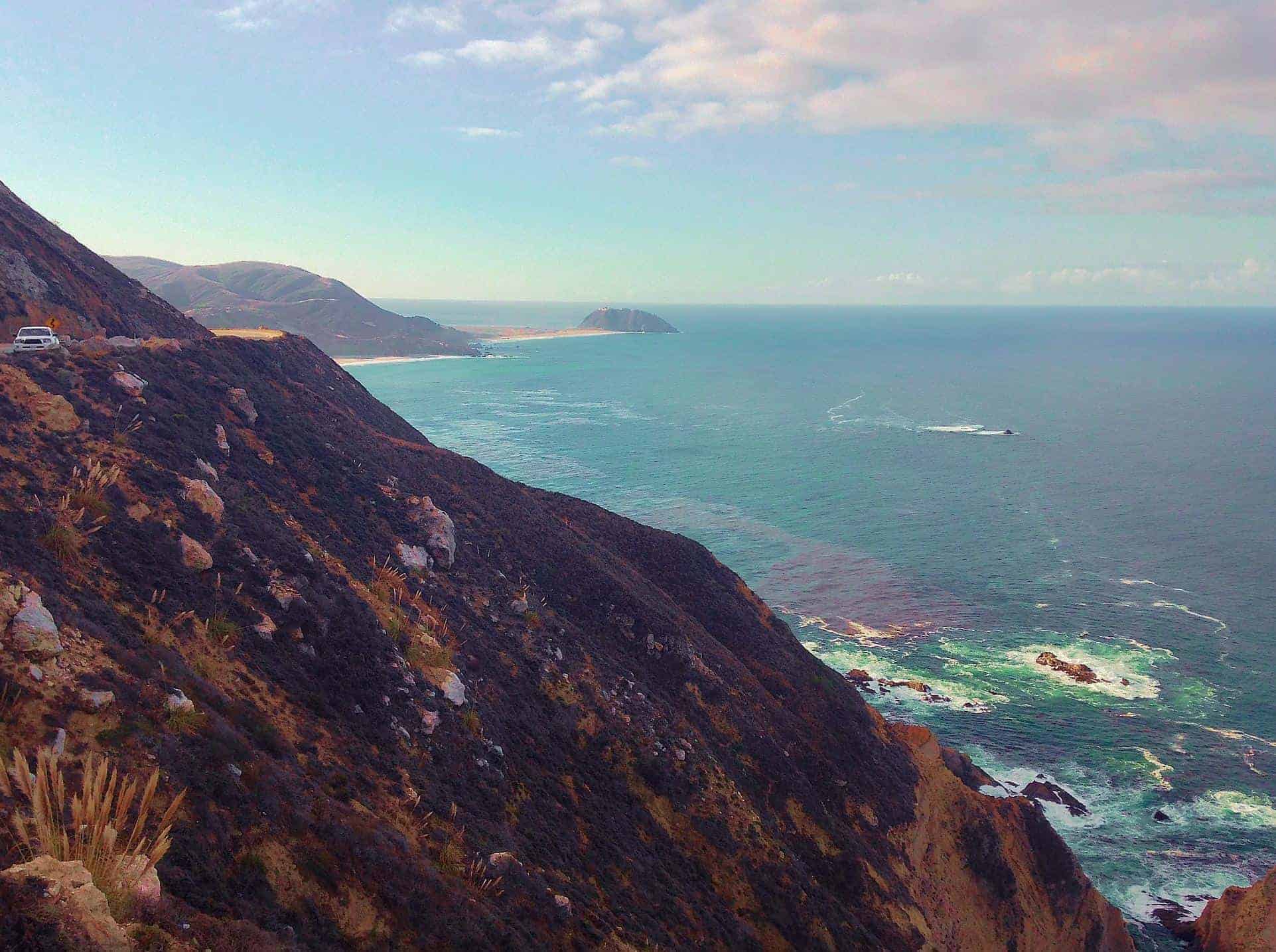
The Pacific Coast Highway is one of the most spectacular roads in North America. You might also see it called Highway 1 or the Cabrillo Highway. The endless scenery of the Pacific Ocean and the steep cliffs of California’s West Coast make it unforgettable. The road hugs the coast almost the whole way, with cliffs on one side and the ocean on the other. And there are viewpoints everywhere, so you can pull over and take it all in.
If you visit this part of the United States, my advice is simple. Don’t pick the shortest route between the cities. Always go for the scenic one. It takes longer, sure, but the beauty of this drive is worth all the time and effort.
I’ve already covered the itinerary and the main stops in some of my previous articles. This time I’ve put together a list of 10 things worth knowing before you tackle this West Coast road trip. Because a Pacific Coast Highway road trip really does stay with you for life.
Where to stay on the Pacific Coast Highway – best areas
Let’s start with where to sleep, because it shapes the whole trip. In the smaller towns along the road, like Santa Barbara, Monterey or Santa Cruz, accommodation is harder to find. It also tends to cost a bit more.
My advice is to base yourself in San Francisco, Los Angeles and San Diego. These are all big cities worth a proper stop, each with a plethora of hotels within any budget.
Below I’ve split my picks by budget for each city. Click each one to check prices and availability.
Hotels in San Francisco
- Low budget: Francisco Bay Inn – right on the famous crooked Lombard Street, with free parking, free WiFi, and rooms with a microwave and fridge, a 7-minute drive from Fisherman’s Wharf.
- Mid-range: The Monte Cristo – a charming hotel in a historic building, with soundproofed rooms and a good breakfast, near the University of San Francisco and the Golden Gate Bridge.
- Luxury / high-end: The Fairmont Heritage Place Ghirardelli Square – plush apartments perched atop Ghirardelli Square, with bay views, gourmet kitchens, fireplaces and terraces with fire pits, plus 24-hour concierge and butler service, a 2-minute walk from Fisherman’s Wharf.
Hotels in Los Angeles
- Low budget: The Hollywood Franklin Hotel – freshly renovated rooms with free WiFi, an outdoor pool with a sun deck and a diner on site, just a couple of miles from Universal Studios and a 4-minute drive from the Hollywood Walk of Fame.
- Mid-range: The Ivory – air-conditioned rooms with bathrobes and free WiFi, plus a sun terrace, a bar and a year-round outdoor pool, close to the Los Angeles County Museum of Art and about 5 km from Crypto.com Arena
- Luxury / high-end: Hotel Bel-Air – Dorchester Collection – a glamorous 1950s hideaway in Bel-Air, with elegant garden-view rooms, a full-service spa, an outdoor pool, a fine California restaurant and even resident swans in the pond.
Hotels in San Diego
- Low budget: Sands Of La Jolla – clean, air-conditioned family rooms with free WiFi and free parking, plus an outdoor pool and a terrace, a few minutes from the beach and about 5 km from La Jolla Cove.
- Mid-range: 1906 Lodge– a romantic historic B&B five minutes from Coronado Beach, with cozy rooms featuring fireplaces, a daily breakfast included and free beach chairs and towels for guests.
- Luxury / high-end: Pacific Terrace Hotel – a beachfront resort right on Pacific Beach, with island-inspired rooms, ocean views, an outdoor pool and hot tub by the sand, plush bathrobes and concierge service.

10 things to consider before road tripping the Pacific Coast Highway, USA
1. The best time to visit the Pacific Coast Highway
In California, temperatures stay pleasant for most of the year, especially in the southern part of the state. Still, from San Francisco up towards Oregon, winter can get cold and some sections may close.
I’d avoid the busiest months, June to August. They also happen to be the foggiest along the coast, thanks to the marine layer. My favourite windows are March to May or September to November. The crowds thin out and the ocean actually shows up in your photos.
Since temperatures shift a lot from north to south, pack a few extra layers. You’ll feel the difference over a single day of driving.
2. North to south or south to north
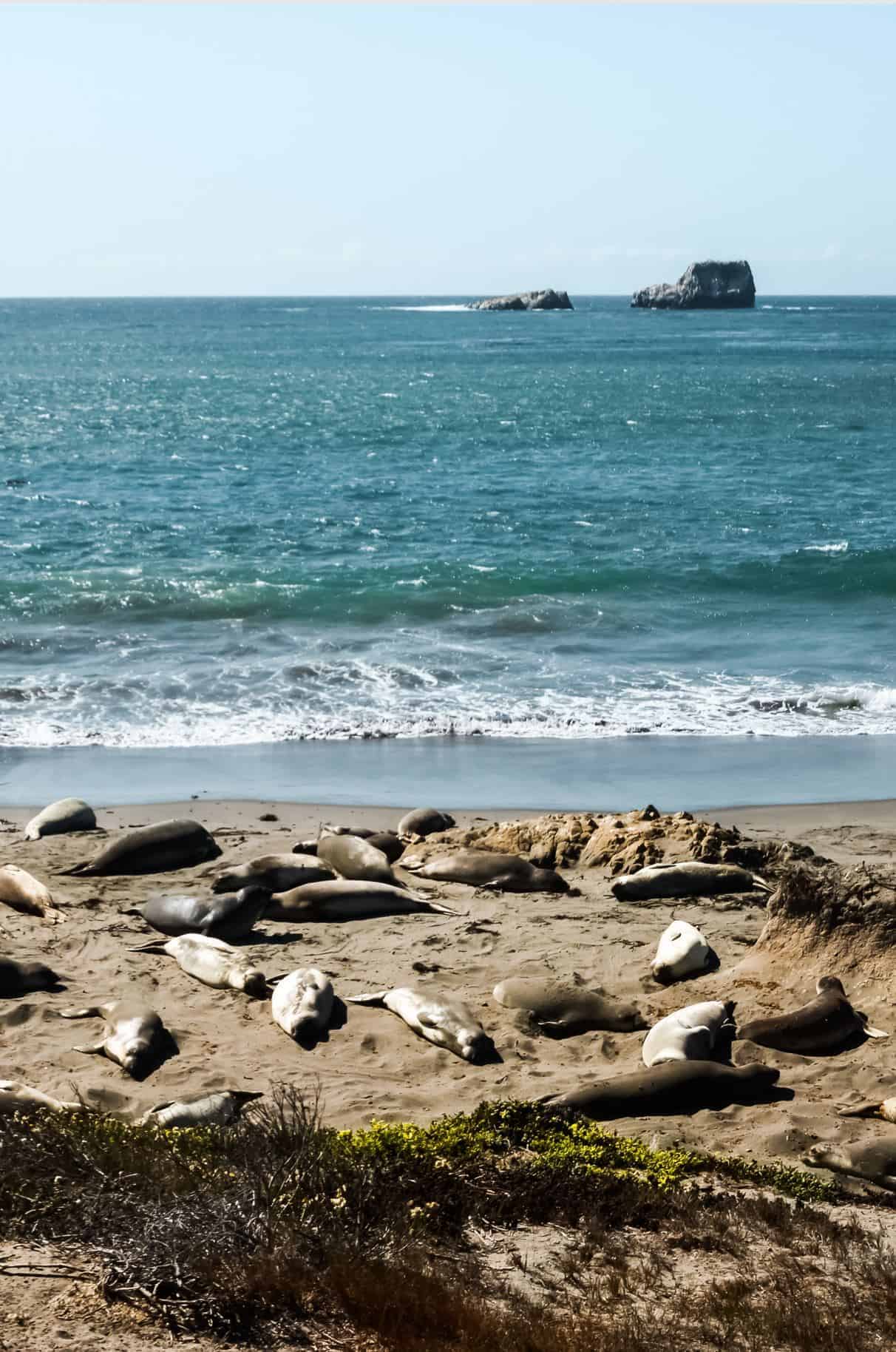
The Pacific Coast Highway serves up breathtaking landscapes along its entire length. To make the most of them, you want to sit as close as possible to the water. That’s where California’s dramatic coastline meets the powerful Pacific waves.
In the States you drive on the right. That’s why I recommend the north to south route, no matter where you start or stop. I picked the San Francisco to San Diego route, and the ocean view was never once blocked by the other lane of cars.
Go the other way, from south to north, and there’s always a line of traffic between you and the sea. It’s a small detail that makes a big difference.
3. How many days to spend on the Pacific Coast Highway
This one depends on you: what you want to see and how long you like to linger in each place. For the San Francisco to San Diego route, though, you need at least a week to get a proper taste of everywhere.
As a rough guide, plan two days in each of the big cities. Leave the rest for the coastal stretches in between. Don’t rush it. If you hurry, you simply won’t have time to enjoy everything, and this is not a road you want to speed through.
4. Where to stop on the Pacific Coast Highway
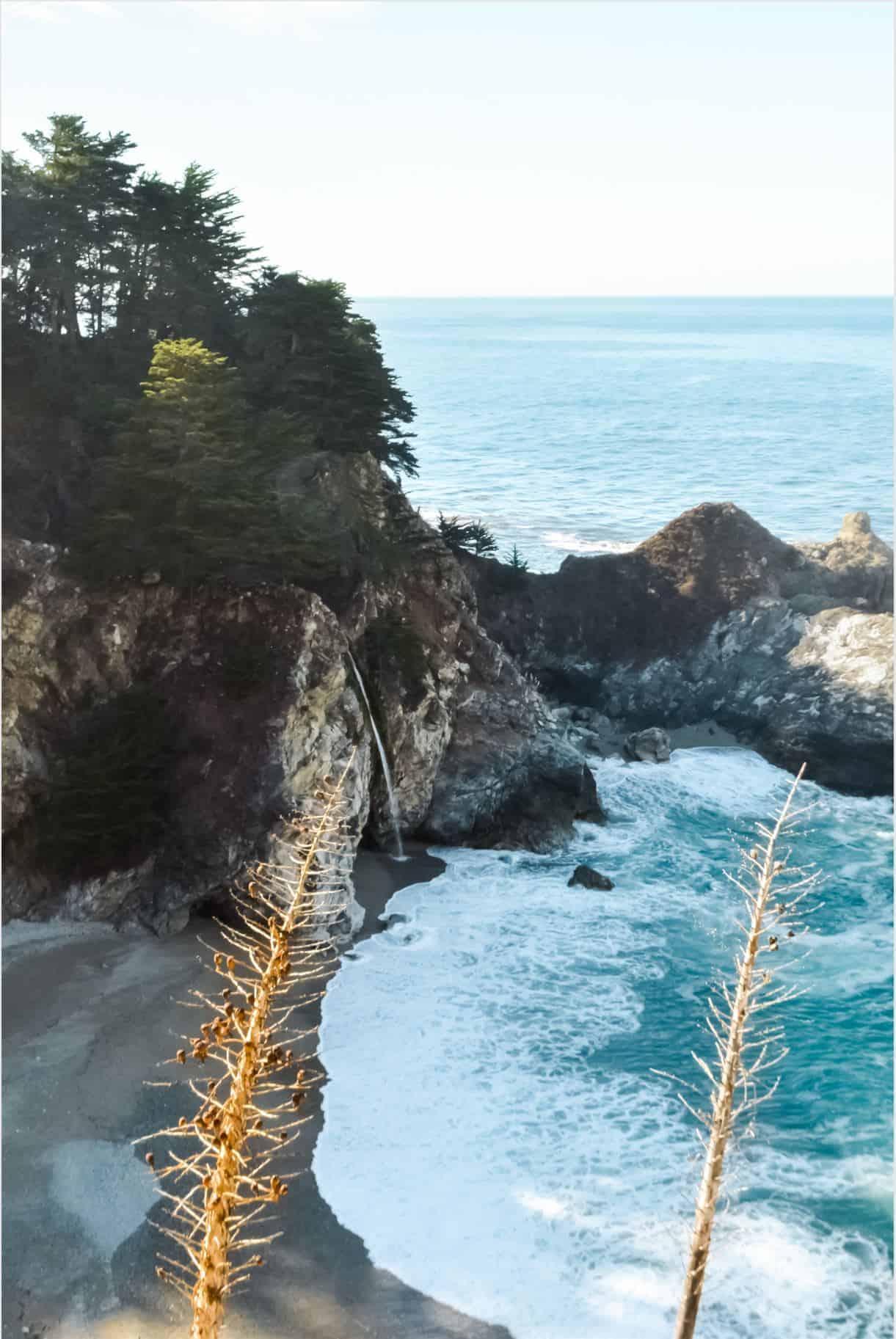
I’ve already written about this in detail in my Best 15 stops on the Pacific Coast Highway article. In short, the highlights are San Francisco, Montara Beach, Pigeon Point Lighthouse, Santa Cruz, Carmel-by-the-Sea, Monterey, Bixby Bridge, Big Sur, McWay Falls, Seal Beach, Laguna Beach and San Diego.
You’ll find more on each of them in that article. For the main cities, I’d also point you to a few of my other guides:
- What to visit in San Francisco in less than a day
- 3 days in Los Angeles
- Sunset Beach, a childhood dream come true
- A taste of San Diego
Of course, there are plenty of other spots you can add, like Malibu or Hearst Castle. Depending on how many days you have, feel free to stretch the itinerary and pack in as many attractions as you like.
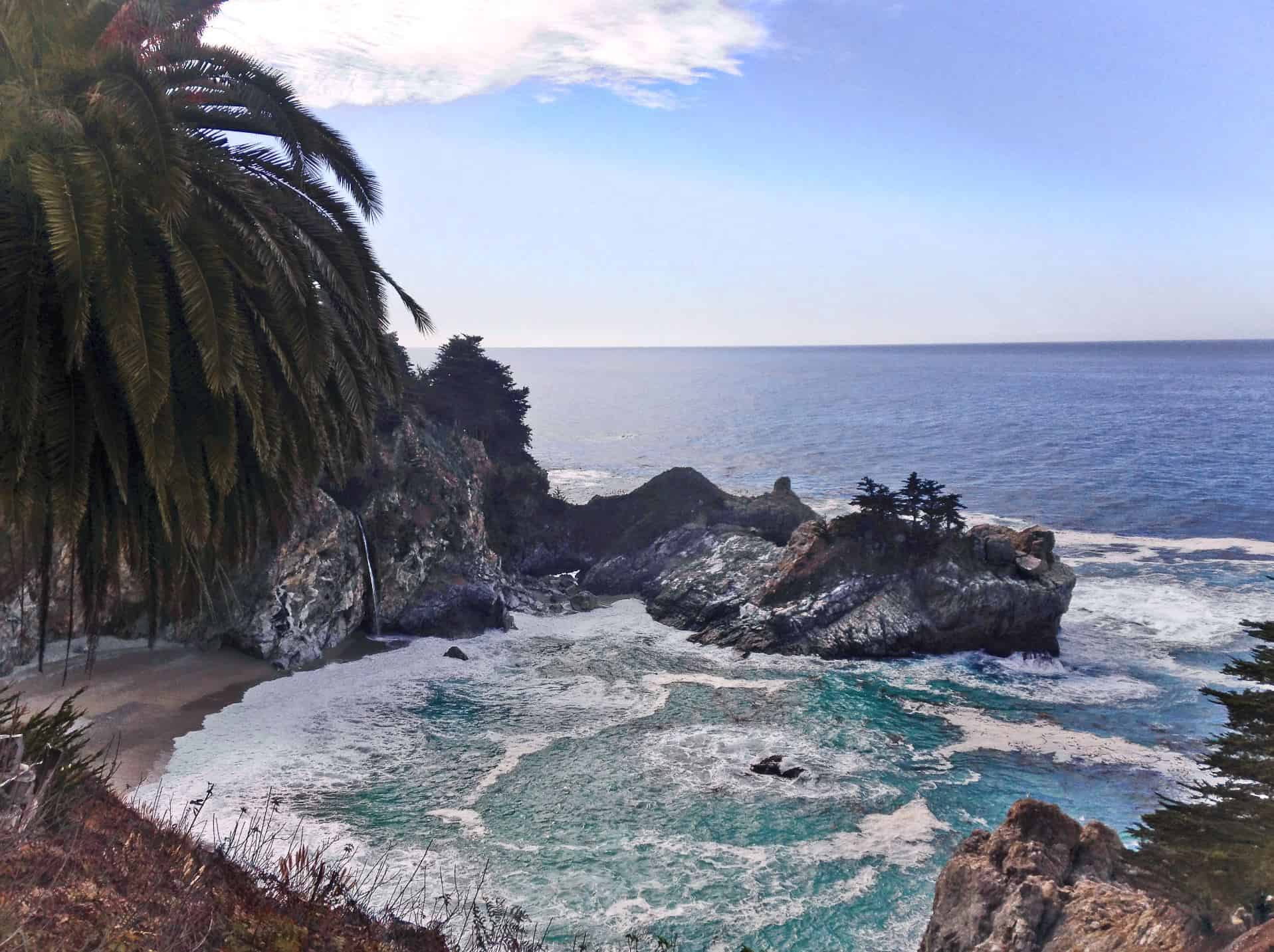
5. Check the state of the road before you go
The Pacific Coast Highway is old and carved into steep, crumbling cliffs. That makes the risk of collapse real, especially after heavy rain. Sections get shut down for long stretches of time, sometimes even for years.
Here’s the big update for 2026. After more than three years closed by landslides at Big Sur, Highway 1 fully reopened on January 14, 2026. So if you’ve been wondering whether the Pacific Coast Highway is open again, the answer is yes. You can finally drive the entire coast end to end, from Carmel through Big Sur down to Cambria.
Even so, don’t take it for granted. Storms and fresh landslides still close sections with little warning. Check for road closures before you plan your route, and again on the morning you set off. I use pacific-coast-highway-travel.com for this. I’d also check the official Caltrans page (roads.dot.ca.gov) and the Big Sur Chamber of Commerce site for the latest updates.
One more thing: almost every year, wildfires burn parts of California in the warm season. Keep an eye on those too before you head off.
6. Fuel and charging along the way
Fuel gets scarcer and pricier the further you drive from the big cities, so fill the tank where it’s kindest to your wallet. The remote stations near the coast love to hike their prices, so top up in town whenever you can.
Driving an electric car? Good news. Charging stations along the California coast have multiplied in recent years, so an EV road trip down the PCH is very doable now. Just plan your charging stops around the towns, the same way you’d plan for fuel.

7. Choosing the means of transportation
If you don’t live in the US and can’t do this road trip in your own car, renting is the way to go. I usually check Expedia and book my car straight from there. It’s easier to sort everything online, where you can compare prices, cars and the rest before you decide.
Sure, a red convertible Mustang or a white Dodge Charger makes the experience feel that bit more cinematic. But the landscapes look just as stunning from any other car, so don’t stress if the budget doesn’t stretch that far. To give you a rough idea, here’s my own example: a Toyota Corolla for 10 days, around $800. Prices have climbed quite a bit since then, so check current rates when you book.
That said, if you really want that wow-car moment, you don’t need to rent one for the whole trip. On GetYourGuide you can book a short experience and drive a dream car for just a few hours. Here are three worth a look if you want some unforgettable photos and memories from behind the wheel.
8. Make sure you have enough guidance resources
Hard to believe, but for much of the Pacific Coast Highway the cell service is almost non-existent. The phone signal drops out for long stretches, especially around Big Sur. So don’t rely only on Google Maps. Download an offline map in advance, and there’s no chance of getting lost in a dead zone.
9. Bring some food supplies
Just like the signal, restaurants don’t exactly grow like mushrooms along the route. They cluster mainly around the cities, and we already know how big the distances are in the US.
Remember that half the joy of a road trip is the picnic. Keep some food on the back seat or in the trunk, and it’ll be a lifesaver when hunger hits next to a gorgeous panorama.
The instructions are simple: stop the car, spread the blanket and dig in. And there you have it, lunch with a view!
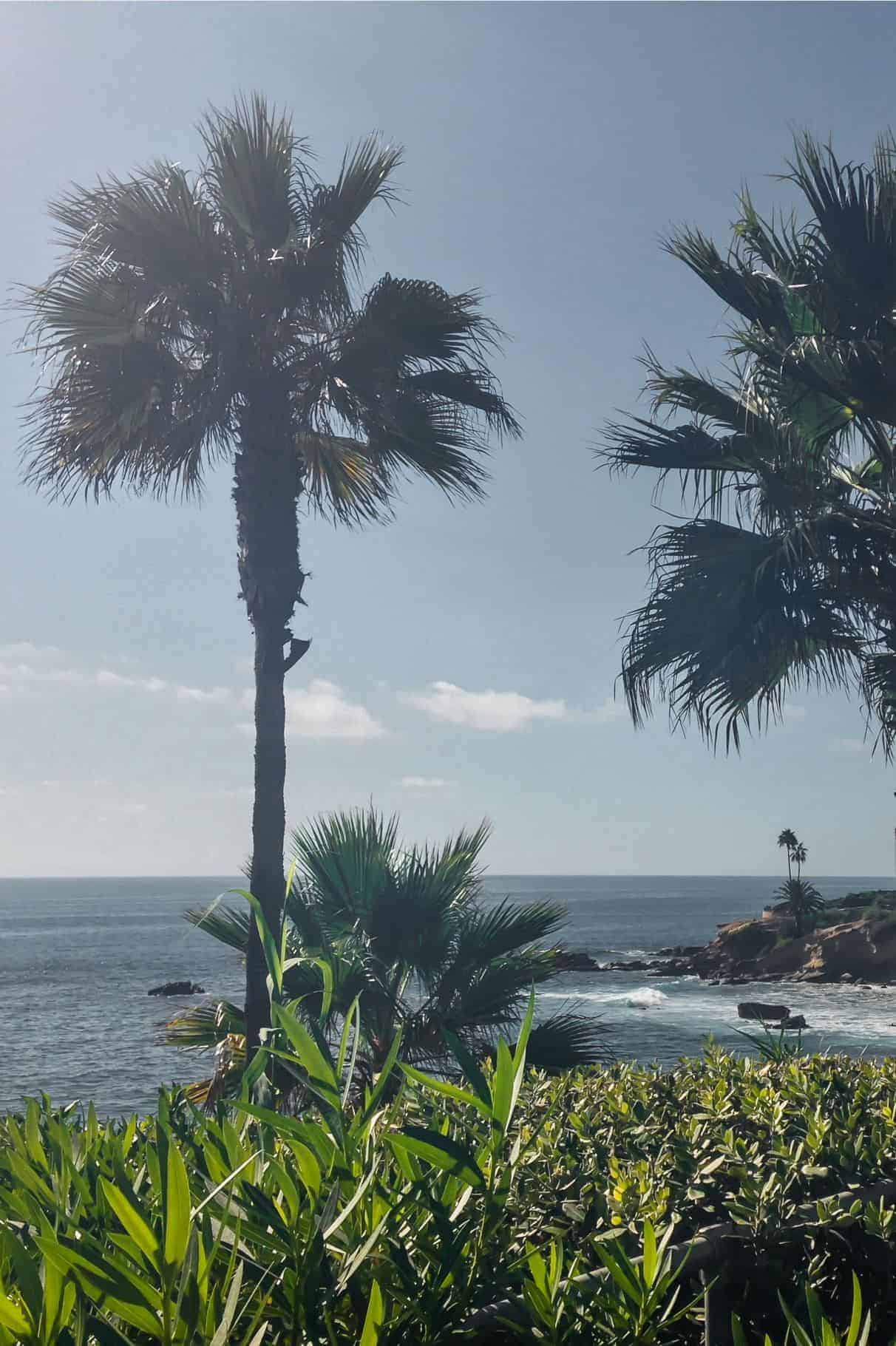
10. Make a playlist with your favourite tracks
Just like the internet, you can’t count on the radio out here, and it shouldn’t really matter anyway. A drive along the Pacific Coast Highway, the most scenic route in North America, just isn’t the same without your favourite tunes in the background.
Add a few California classics to the mix too. It’s a small touch, but it makes the whole experience feel that much more authentic.
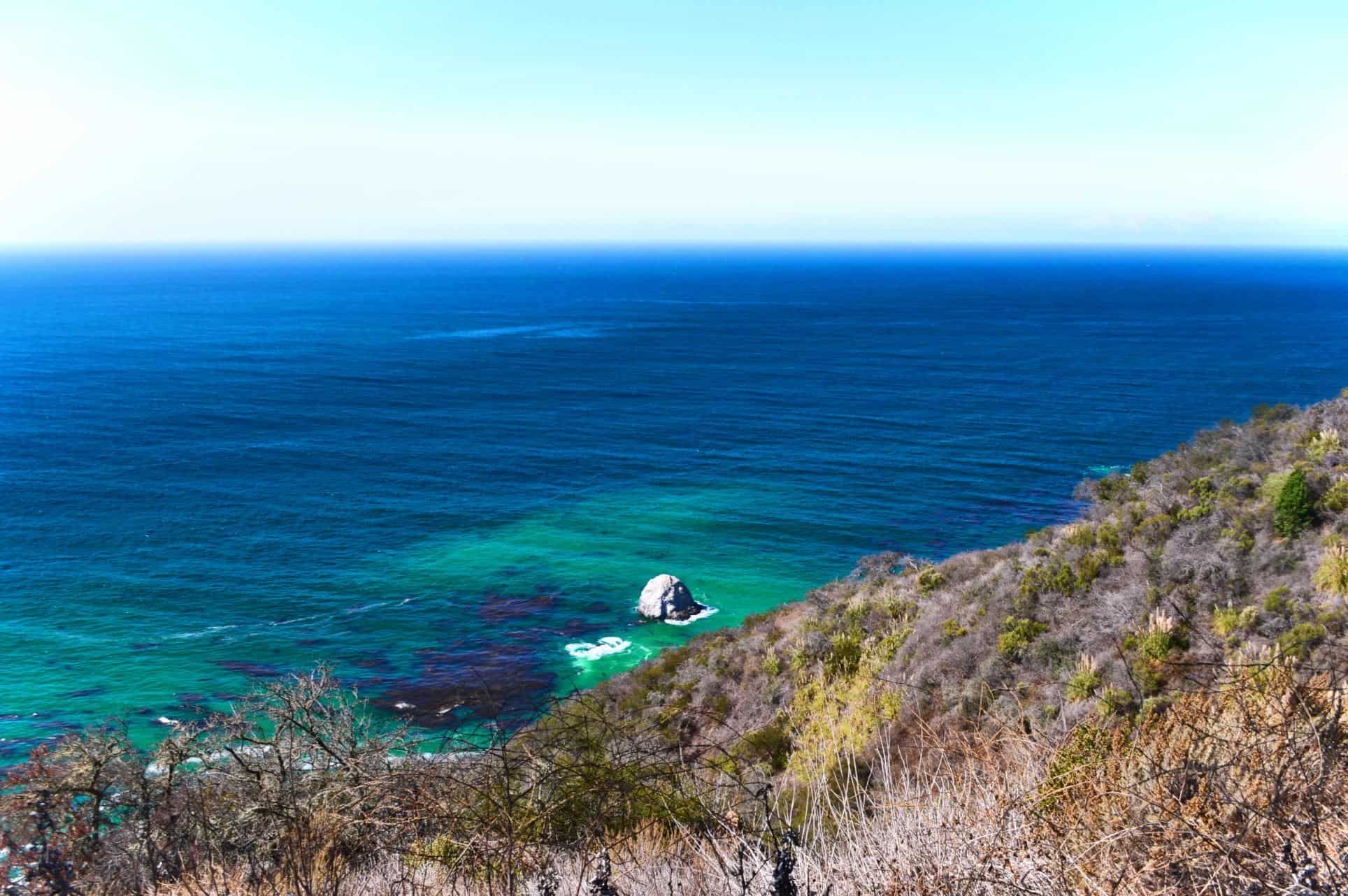
Best tours along the Pacific Coast Highway
Even on a self-drive trip, a few guided experiences are worth adding along the way. Think whale watching in Monterey, a wine tasting around Santa Barbara, or a guided visit to Hearst Castle.
I book these through GetYourGuide. Click the ones that catch your eye, check the prices and see what’s available for your dates.
San Francisco:
- San Francisco: Alcatraz Ticket, Ferry
- Napa and Sonoma Valley Wine Tour
- Golden Gate Helicopter Adventure
Monterey:
Palm Springs:
San Diego:
- La Jolla Sea Cave Kayak Tour
- Hop-on Hop-off Narrated Trolley Tour
- Sunset and Day Sailing Excursion with Drinks
Santa Barbara:
Los Angeles:
- Universal Studios Hollywood: General Admission Tickets
- Full-Day City Tour of LA, Hollywood, Beverly Hills & Beaches
- Hollywood & Beverly Hills Celebrity Helicopter Tour

Pacific Coast Highway road trip – frequently asked questions
How long is the Pacific Coast Highway?
The full Highway 1 stretches about 656 miles, from Dana Point in the south up to Leggett in the north. Most road trippers focus on the scenic core between San Francisco and San Diego.
Is the Pacific Coast Highway dangerous to drive?
It’s safe as long as you take it slow. The road twists along the cliffs and some sections are narrow. Drive at a relaxed pace, use the pull-offs, and avoid the trickiest stretches after dark.
Is a Pacific Coast Highway road trip worth it?
Absolutely. It regularly ranks among the world’s best road trips, and most people who drive it can’t wait to go back.


1 comment